
RO UV Water Purifier Kolkata: A Complete Guide to Choosing the Right Water Purifier
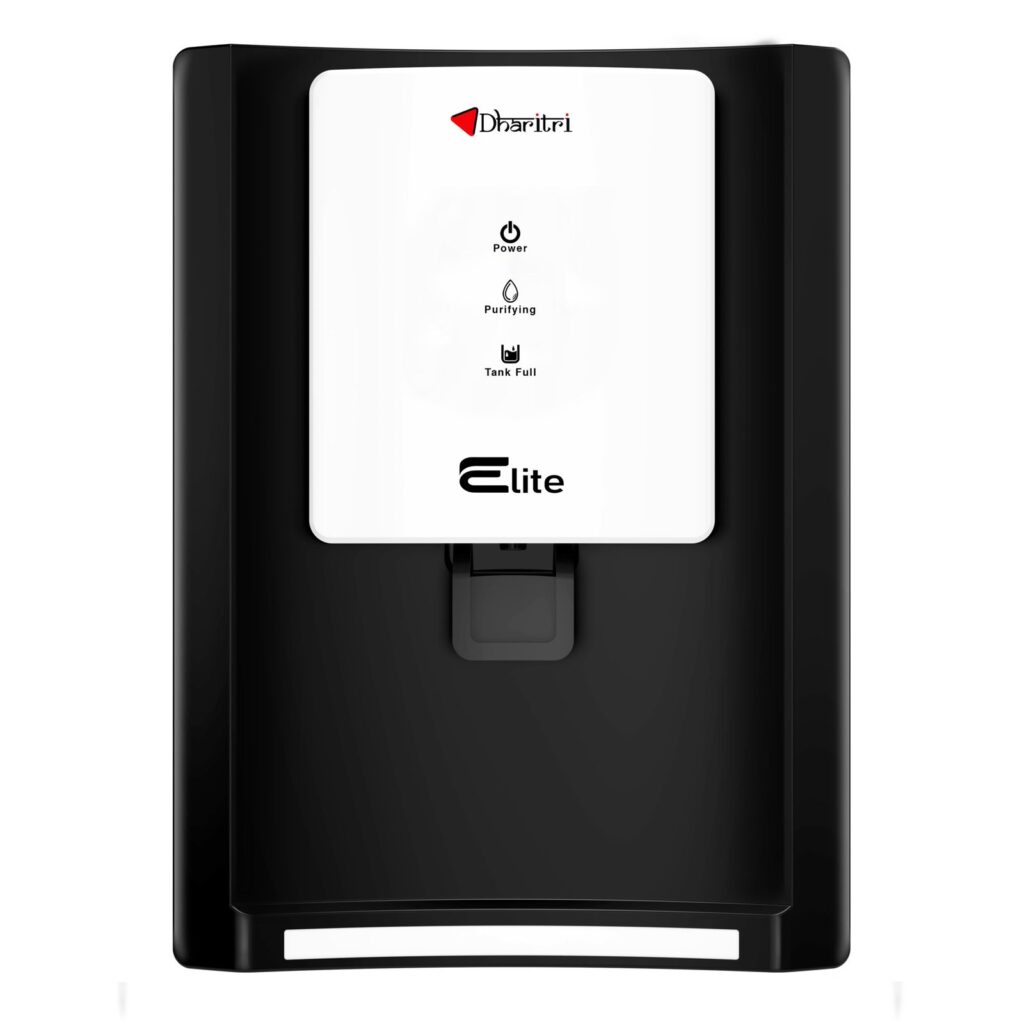
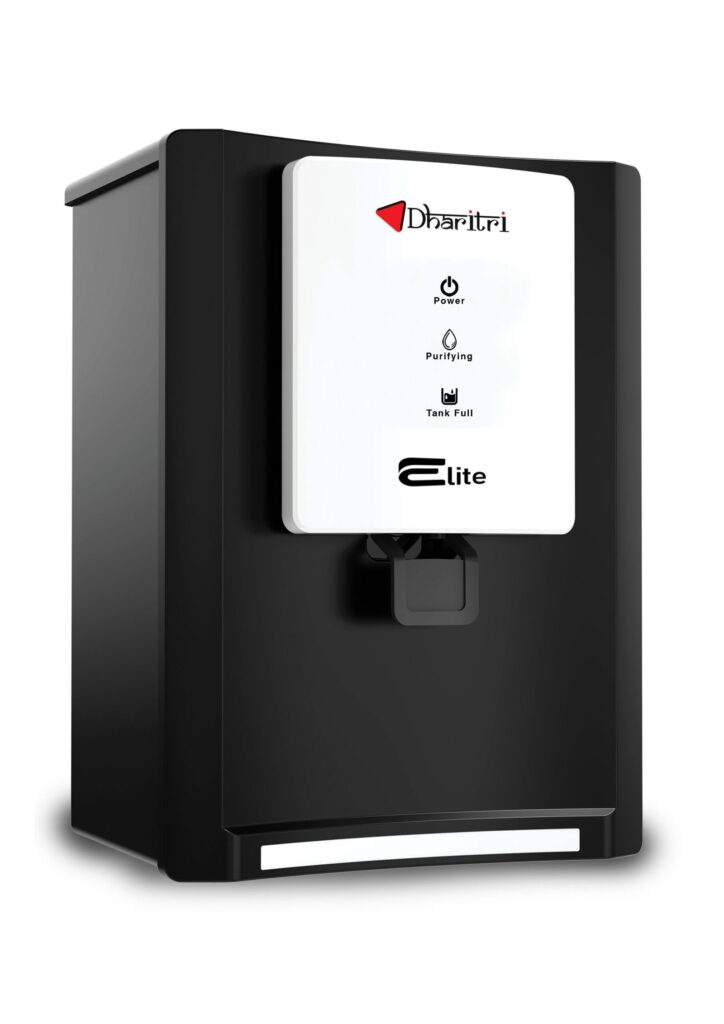
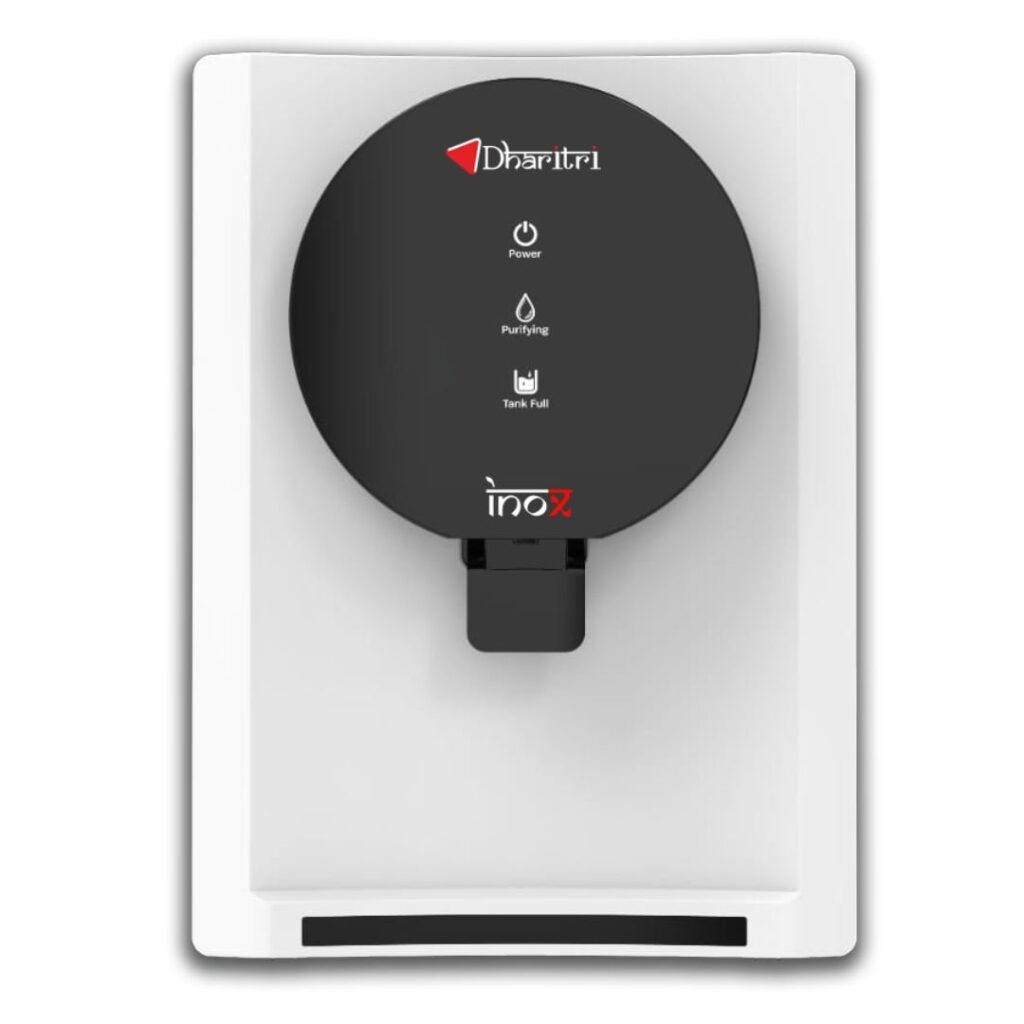
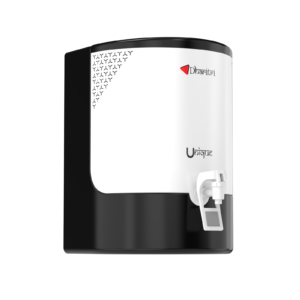
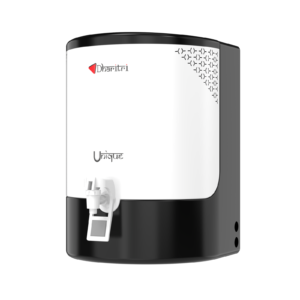
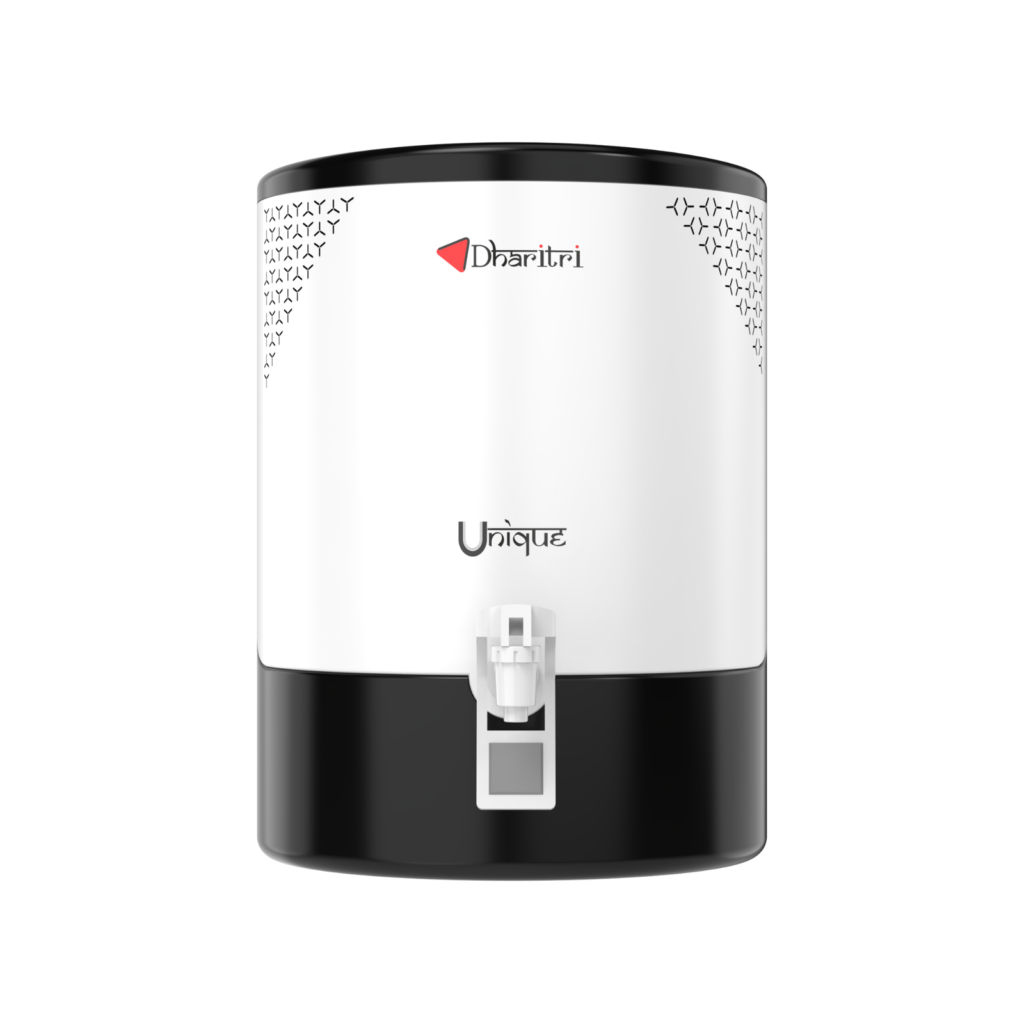
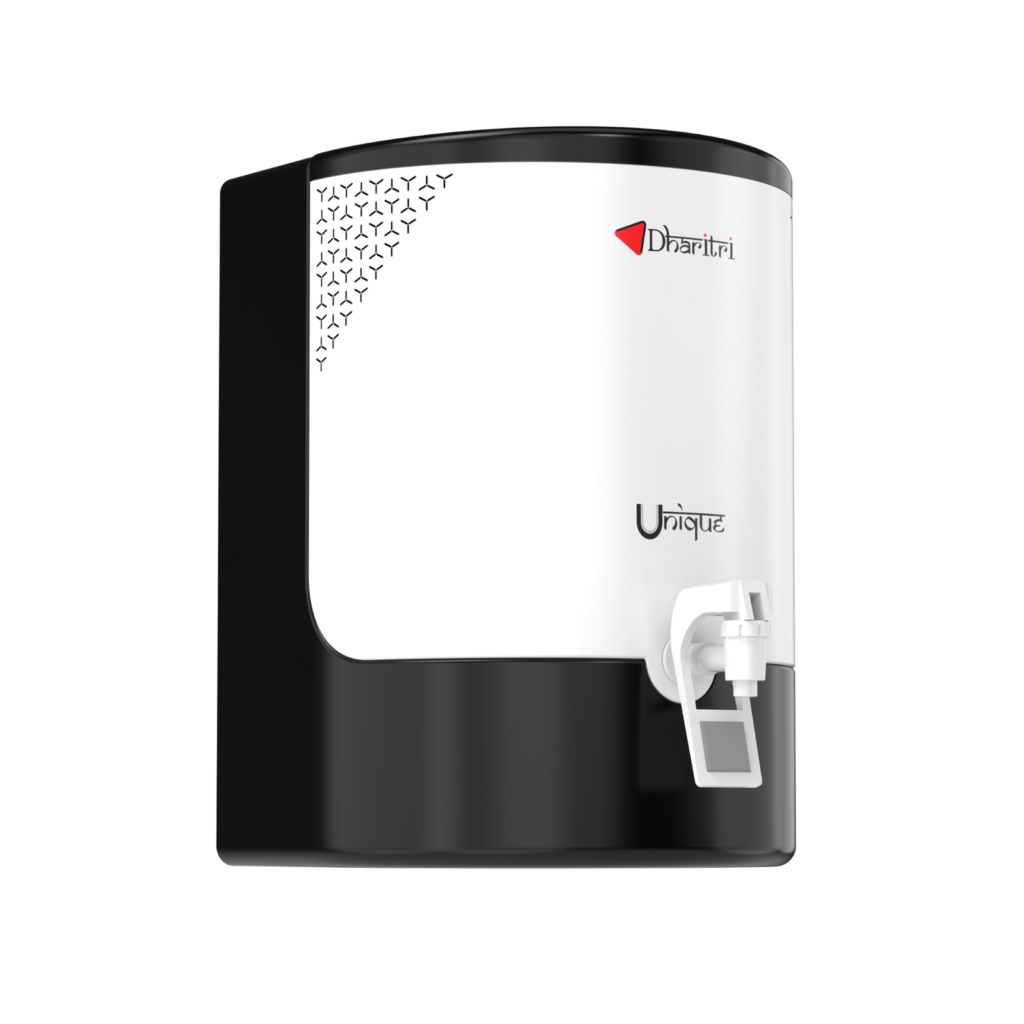
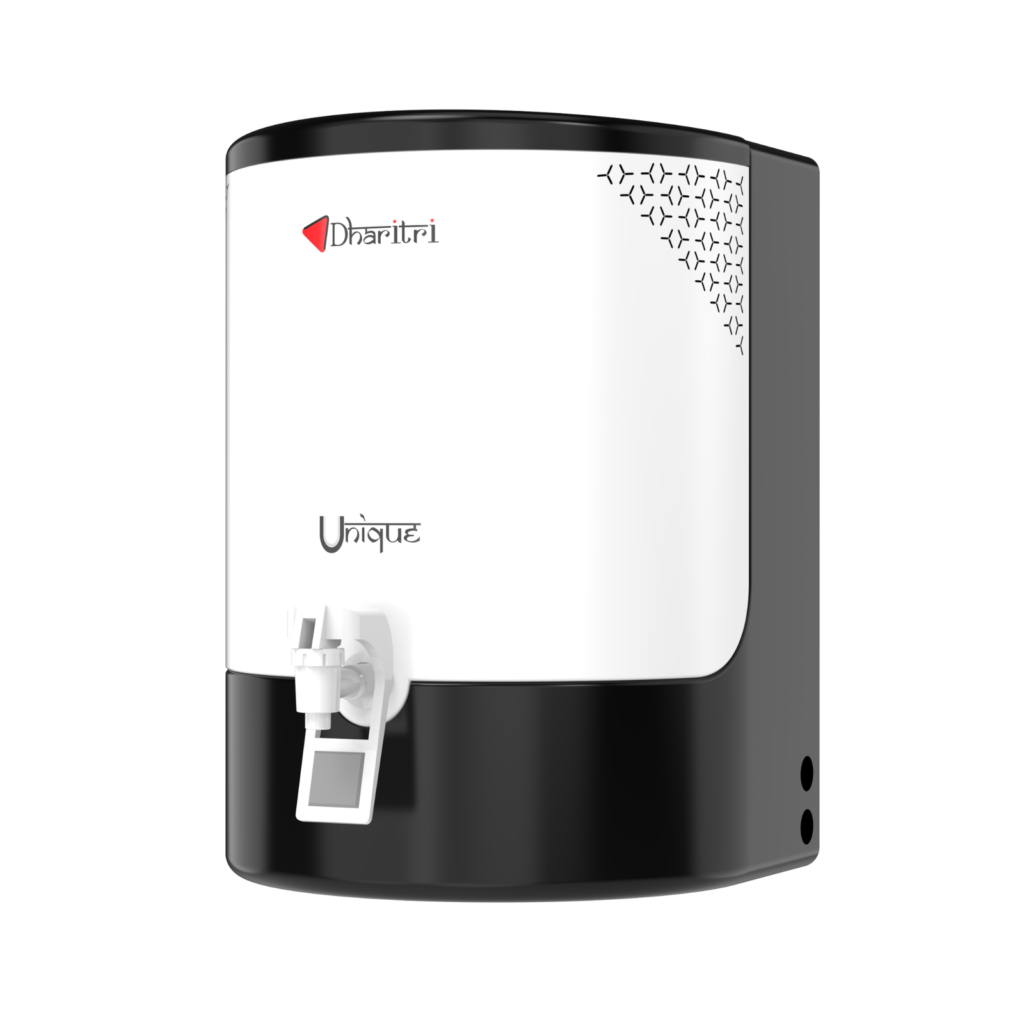
Access to clean and safe drinking water is one of the most important requirements for every household. In a city like Kolkata, where water quality can vary depending on the locality, source, plumbing infrastructure, and storage conditions, having a reliable water purification system at home can provide an additional layer of protection.
If you are searching for an RO UV water purifier in Kolkata, it is important to understand what RO and UV technologies actually do, when they are useful, and how to choose a purifier according to your home’s water source.
At Dharitri, we believe choosing a water purifier should be based on the quality and characteristics of your water rather than simply selecting a product because it has the maximum number of features. A properly selected purification system can help improve water quality while making everyday drinking water more convenient and dependable.
What Is an RO UV Water Purifier?
An RO UV water purifier combines two different purification technologies: Reverse Osmosis (RO) and Ultraviolet (UV) purification.
Although both technologies are designed to help make water safer, they work in different ways.
What Does RO Do?
Reverse Osmosis uses a semi-permeable membrane to separate dissolved substances from water. Depending on the system and water conditions, RO can help reduce various dissolved impurities, including certain salts and other contaminants.
This makes RO particularly useful when the incoming water has relatively high levels of dissolved solids or when dissolved contaminants are a concern.
What Does UV Do?
UV purification uses ultraviolet light to inactivate microorganisms by disrupting their ability to reproduce.
UV does not work in the same way as RO. It is primarily a disinfection technology rather than a method for removing dissolved salts.
An RO UV purifier therefore combines two different approaches: RO filtration for reducing certain dissolved impurities and UV treatment for microbial disinfection.
Why Consider an RO UV Water Purifier in Kolkata?
Kolkata homes can receive water from different sources, including municipal supplies, groundwater, borewells, and other local water systems. The characteristics of this water can differ significantly.
For this reason, there is no universal purification system that is automatically ideal for every household.
An RO UV purifier may be worth considering when your water requires both dissolved-impurity reduction and additional microbial disinfection.
Before choosing a purifier, it is useful to understand your water source and, where possible, test the water.
Understanding Kolkata’s Water Quality
Water quality is not determined simply by whether the water looks clear.
Water can appear transparent while still containing dissolved substances or microorganisms that cannot be identified through appearance alone.
Factors that can influence household water quality include:
- Source of the water
- Local water infrastructure
- Groundwater characteristics
- Storage tanks
- Household plumbing
- Seasonal variations
- Condition of pipes
- Maintenance of the water supply system
This is why selecting a purifier based solely on what the water looks like may not provide the best result.
RO vs UV: What Is the Difference?
Understanding the difference between RO and UV is essential before buying a water purifier.
| Feature | RO | UV |
| Main function | Reduces many dissolved impurities | Inactivates microorganisms |
| Uses membrane | Yes | No |
| Helps reduce dissolved salts | Yes | No |
| Helps with microbial disinfection | Not its primary function | Yes |
| Water wastage | Depending on design, some reject water may be produced | Generally no RO reject-water process |
| Best considered for | Water with relevant dissolved impurities | Water requiring microbial disinfection |
An RO UV purifier combines these technologies so that they can address different aspects of water quality.
Who Should Consider an RO UV Purifier?
An RO UV purifier may be appropriate for households where testing or water-quality information indicates a need for both RO and UV treatment.
It can be particularly relevant for homes where:
- Water comes from a source with elevated dissolved solids
- Groundwater is used
- Water quality varies between sources
- Microbial contamination is a concern
- The household wants combined RO and UV treatment
However, an RO purifier is not necessarily required for every household.
If your supplied water already has suitable characteristics and does not require significant reduction of dissolved substances, a simpler purification technology may be sufficient.
This is why Dharitri recommends understanding your water before choosing your purifier.
Important Features to Look for in an RO UV Water Purifier
1. RO Membrane Quality
The RO membrane is one of the most important components of an RO purifier.
Its performance directly affects the system’s ability to reduce dissolved impurities. Buyers should consider the quality of the membrane and the manufacturer’s specifications rather than focusing only on marketing claims.
2. UV Chamber
The UV stage should be designed to provide effective exposure to ultraviolet light under the system’s operating conditions.
A properly maintained UV system can provide an additional microbial disinfection step.
3. Pre-Filters
Pre-filtration can be important because sediment and other particles in incoming water can affect downstream components.
Depending on the system and water source, pre-filters may help protect the RO membrane and other purification stages.
4. Storage Capacity
If your household experiences interruptions in water supply or you have several family members, storage capacity can be an important consideration.
Think about your household’s daily drinking and cooking requirements before selecting the storage capacity.
5. Purification Capacity
Different households consume different quantities of purified water.
A small family may have different requirements from a larger household. Consider how much drinking and cooking water your family uses every day.
6. Water Recovery
RO purification can produce reject water. The amount depends on the design and operating conditions of the purifier.
When comparing RO systems, consider the water recovery ratio and whether the reject water can be collected and reused for appropriate non-drinking purposes, such as cleaning floors or other suitable household activities.
Is RO UV Better Than RO Alone?
It depends on the water quality and the purification requirements of your home.
RO and UV perform different functions. If your water requires dissolved-impurity reduction as well as microbial disinfection, combining both technologies can be useful.
However, adding more purification technologies does not automatically make a purifier better for every household.
The right system is the one that addresses the actual issues present in your water.
How to Choose the Right Water Purifier in Kolkata
Before purchasing an RO UV water purifier, consider these factors.
Step 1: Identify Your Water Source
Determine whether your home receives municipal water, groundwater, borewell water, or a combination.
Different sources can have different characteristics.
Step 2: Test the Water
Where practical, testing can provide useful information about parameters such as TDS and other relevant water-quality characteristics.
A water test provides a more reliable basis for choosing purification technology than simply guessing from location.
Step 3: Consider Your Household Size
A family of two will generally have different storage and capacity requirements compared with a family of six.
Step 4: Consider Installation Space
The purifier should have adequate space for installation and servicing.
Check wall space, electrical requirements, water connections, and accessibility before purchase.
Step 5: Check Maintenance Requirements
Water purifiers contain components that require periodic replacement or servicing.
Before purchasing, understand the maintenance schedule and replacement requirements for filters, membranes, UV components, and other consumables.
Why Regular Water Purifier Maintenance Matters
Buying an advanced water purifier is only the first step.
Filters and purification components need regular attention. Over time, filters can become saturated with accumulated impurities, while RO membranes can experience performance changes depending on water quality and usage.
Neglecting maintenance can affect the performance of the purification system.
Important maintenance practices may include:
- Replacing filters at recommended intervals
- Checking RO membrane performance
- Maintaining the UV system
- Cleaning or sanitising relevant components when recommended
- Checking for leakage
- Inspecting water connections
- Servicing the purifier according to manufacturer recommendations
The actual replacement schedule depends on water quality, consumption, purifier design, and usage.
Common Mistakes to Avoid When Buying an RO UV Purifier
Choosing Based Only on TDS
TDS is an important parameter, but it does not provide a complete picture of water quality.
A complete assessment should consider other relevant water-quality parameters as well.
Assuming More Stages Always Mean Better Purification
A purifier with more stages is not necessarily better for your specific water.
The objective should be to select the appropriate purification process rather than simply selecting the highest number of stages.
Ignoring Maintenance Costs
The initial purchase price is only one part of the total cost of ownership.
Consider filter replacement, membrane replacement, servicing, and other maintenance expenses before making your decision.
Ignoring Reject Water
RO systems can generate reject water. Buyers should understand the system’s recovery performance and consider responsible reuse of suitable reject water for non-potable household purposes.
Selecting Without Checking Installation Requirements
Before buying, confirm that the purifier can be installed properly in your kitchen or designated area.
RO UV Water Purifier for Homes in Kolkata
For a family living in Kolkata, drinking water is an everyday necessity. A water purifier should therefore be reliable, practical, and suited to the home’s specific water conditions.
Whether you live in an apartment, independent house, or residential complex, consider the following before selecting a purifier:
Water source: Know where your water comes from.
Water quality: Test the water whenever possible.
Purification technology: Choose technology based on actual water-quality requirements.
Storage: Select adequate capacity for your household.
Maintenance: Understand recurring filter and service requirements.
Installation: Ensure adequate space and proper connections.
Taking these factors into account can help you avoid buying a purifier that is either insufficient for your needs or unnecessarily complicated.
Why Choose Dharitri?
At Dharitri, our focus is on helping households make informed decisions about water purification.
We understand that buying an RO UV water purifier is a long-term household decision. Customers should not have to select a purifier simply because of a long list of technical terms.
The goal should be straightforward: understand your water, identify the purification requirements, and choose a system that addresses those requirements effectively.
Dharitri can help customers explore water purification solutions with a focus on practicality, performance, maintenance, and everyday usability.
Frequently Asked Questions
What is an RO UV water purifier?
An RO UV purifier combines Reverse Osmosis and Ultraviolet purification technologies. RO helps reduce many dissolved impurities, while UV is used to inactivate microorganisms.
Is an RO UV purifier suitable for Kolkata water?
It can be suitable for households where the water characteristics indicate a need for both RO and UV treatment. Since water quality can vary, testing the water is recommended before selecting a purification system.
Does UV remove TDS?
No. UV purification is primarily designed for microbial disinfection and does not remove dissolved salts or reduce TDS in the way RO can.
Does RO remove microorganisms?
RO membranes can provide substantial removal of many microorganisms, but RO and UV serve different purposes. UV can provide an additional disinfection stage in an appropriately designed purifier.
How often should RO filters be changed?
There is no single replacement interval for every household. It depends on water quality, consumption, purifier design, and usage. Follow the manufacturer’s maintenance recommendations and monitor purifier performance.
Does an RO purifier waste water?
RO purification can produce reject water. The quantity depends on the purifier’s design and operating conditions. Suitable reject water may be collected for appropriate non-drinking household uses.
Choose the Right RO UV Water Purifier in Kolkata with Dharitri
Clean drinking water is essential for every household, but choosing the right purification system requires more than simply selecting a purifier with the most features.
An RO UV water purifier in Kolkata can be a useful solution for households whose water requires both reduction of relevant dissolved impurities and additional microbial disinfection.
The most important step is to understand your water source and quality. Once you know what your water actually requires, you can choose an appropriate combination of purification technologies, storage capacity, maintenance requirements, and installation specifications.
At Dharitri, we believe the best water purifier is not necessarily the one with the longest list of features—it is the one that is appropriately matched to your home’s water and your family’s everyday needs.
If you are looking for an RO UV water purifier in Kolkata, explore Dharitri’s water purification solutions and make your decision based on what your water actually needs.